let's create an inclusive world - together
frequently asked questions
What are the most common types of limb difference?
What are the most common types of limb difference?
What are the most common types of limb difference?
Congenital
&
Aquired
What is a congenital limb difference?
What are the most common types of limb difference?
What are the most common types of limb difference?
Congenital limb differences are present at birth. They happen while a baby is developing during pregnancy, and can affect the arms, hands, legs, feet, fingers, or toes in many different ways. Some children may be born missing part of a limb, while others may have a limb that developed differently. In many cases, there is no known cause.
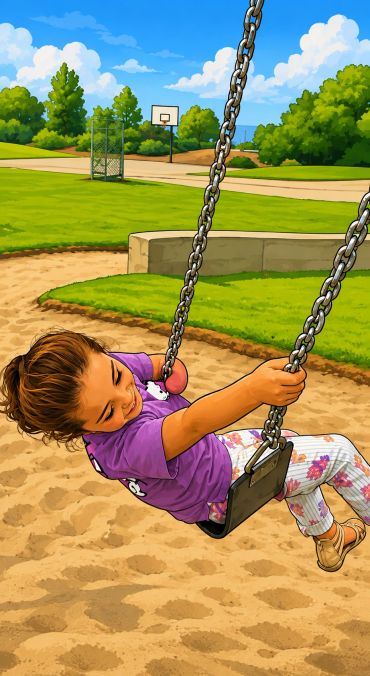
In Ayahs Case hers was caused by Amniotic band syndrome, also known as ABS.
What is an Acquired limb difference?
What are the most common types of limb difference?
What is an Acquired limb difference?
Acquired limb differences happen after birth. These can occur at any age and may result from illness, infection, injury, trauma, surgery, or medical conditions that require an amputation.
What is Amniotic Band Syndrome?
What types of prosthetics are there?
What is an Acquired limb difference?
Amniotic Band Syndrome (ABS) is a rare condition that happens during pregnancy when thin strands from the inner lining of the amniotic sac become tangled around parts of a baby’s body as they develop in the womb.
These bands can wrap around fingers, toes, arms, legs, or other areas, restricting blood flow and affecting normal growth and development. The severity can vary greatly from child to child. Some babies may have mild differences, such as missing fingers or toes, while others may experience more complex limb differences.
ABS is considered a congenital limb difference, meaning it is present at birth. It is important to know that:
- ABS is usually random and not caused by anything a parent did or didn’t do during pregnancy.
- It is generally not hereditary.
- Every child with ABS is unique, with different experiences and abilities.
What is a prosthetic?
What types of prosthetics are there?
What types of prosthetics are there?
A prosthetic is an artificial device designed to replace a missing body part, such as an arm, hand, leg, foot, finger, or toe. Prosthetics are created to help improve movement, function, comfort, and independence for people living with limb differences or limb loss.
Some prosthetics are designed mainly for everyday activities and mobility, while others may be made for sports, swimming, or specific tasks. Every prosthetic is personalised to suit the individual’s needs, lifestyle, and comfort.
What types of prosthetics are there?
What types of prosthetics are there?
What types of prosthetics are there?
There are many different types of prosthetics, and each one is designed to meet a person’s individual needs, lifestyle, comfort, and goals. Prosthetics can replace arms, legs, hands, feet, fingers, or toes, and some are designed specifically for sports or everyday activities.
Here are some of the main types of prosthetics:
Upper Limb Prosthetics
These replace parts of the arm or hand.
Common examples include:
- Partial hand prosthetics
- Finger prosthetics
- Below-elbow prosthetics
- Above-elbow prosthetics
- Shoulder-level prosthetics
Some upper limb prosthetics are body-powered using cables and movement, while others are myoelectric, meaning they use muscle signals to control movement.
Lower Limb Prosthetics
These replace parts of the leg or foot.
Examples include:
- Partial foot prosthetics
- Below-knee prosthetics
- Above-knee prosthetics
- Hip-level prosthetics
These are designed to help with balance, walking, running, and daily movement.
Myoelectric Prosthetics
Myoelectric prosthetics use sensors that detect muscle movements in the body. These signals help control the movement of the prosthetic hand or arm, allowing for more precise motion.
Activity-Specific Prosthetics
Some prosthetics are designed for certain activities or sports, including:
- Running blades
- Swimming prosthetics
- Cycling prosthetics
- Prosthetics for work or hobbies
Cosmetic Prosthetics
These are designed to look more like a natural limb or body part. While some cosmetic prosthetics also provide function, their main purpose may be appearance and confidence.
Pediatric Prosthetics
Children’s prosthetics are specially designed to grow and adapt with them as they develop. They are often lightweight, durable, and made to support play, learning, and independence.
Every prosthetic journey is different. Some people choose to wear a prosthetic every day, some only for certain activities, and others may choose not to use one at all — and every choice is valid
action shots


Changing perspectives. Building inclusion. Inspiring hope.
Changing perspectives. Building inclusion. Inspiring hope.
Changing perspectives. Building inclusion. Inspiring hope.
Changing perspectives. Building inclusion. Inspiring hope.
Changing perspectives. Building inclusion. Inspiring hope.
Changing perspectives. Building inclusion. Inspiring hope.

Join us as we create a movement built on inclusion, awareness, and acceptance. Together, we are changing perspectives and helping every person feel seen, valued, and proud of who they are - don't forget to Hashtag on our socials;
#PerfectlyDifferentProject
Copyright © 2026 Perfectly Different Project - All Rights Reserved.
PERFECTLY DIFFERENT PROJECT
This website uses cookies.
We use cookies to analyze website traffic and optimize your website experience. By accepting our use of cookies, your data will be aggregated with all other user data.